All Categories
Featured
Comparing PPO and HMO Insurance
Worker compensations will be tax-free if their private health strategy offers minimum important protection (MEC). Companies can repay workers for out-of-pocket expenditures and medical insurance premiums, consisting of those for an HMO or PPO strategy. Individual protection HRA (ICHRA): An ICHRA is likewise a stand-alone HRA, but it's offered to companies of all sizes and has no contribution limitations.
Medicare in CoronaThey need to have a qualifying kind of specific health protection to take part. (GCHRA): Also understood as an incorporated HRA, a GCHRA is for employers of any size who provide a group health strategy. Only workers registered in their company's group strategy can take part.
Medicare in CoronaWhile they have no maximum contribution limitations, the internal revenue service does not allow repayments for regular monthly premiums. No matter whether it's utilized in coordination with an HMO or PPO strategy, there's an HRA that can assist staff members pay for their out-of-pocket medical costs and, in some cases, their medical insurance premiums. An HRA is a popular alternative option over conventional health benefits due to the fact that they're budget-friendly for employers and flexible enough for each worker.

Why Whole Insurance Builds Family Security
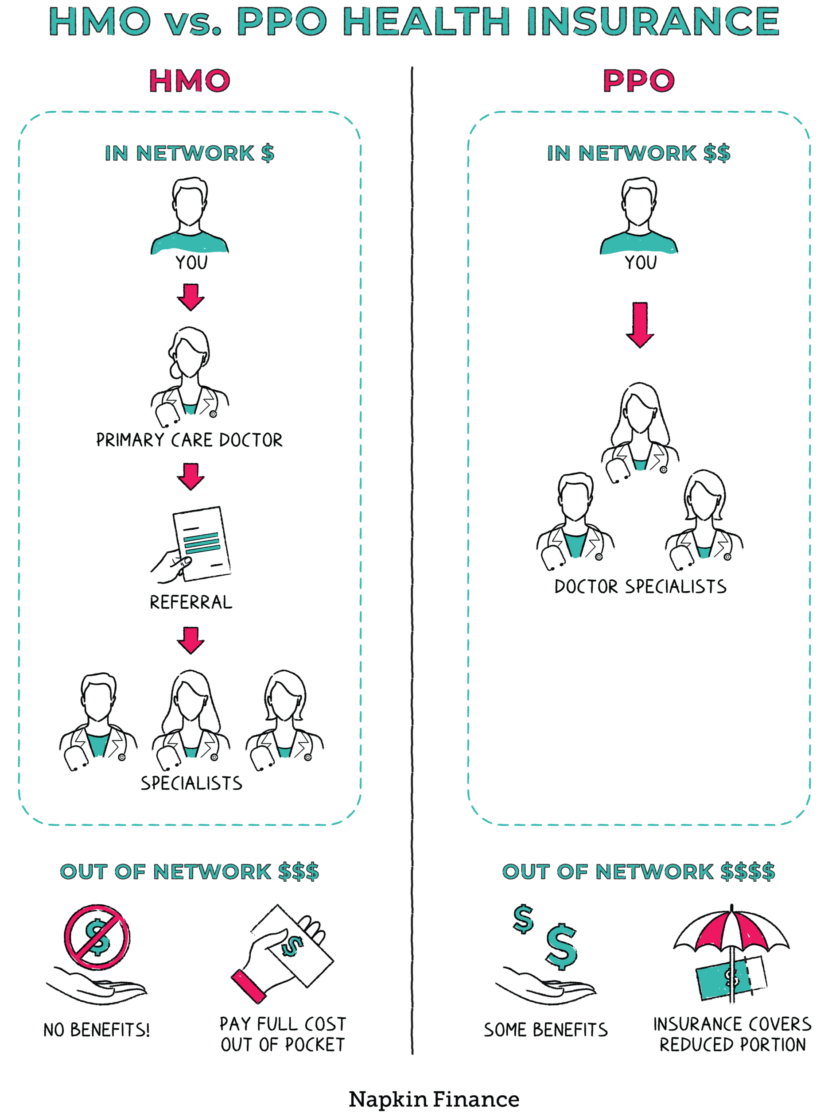
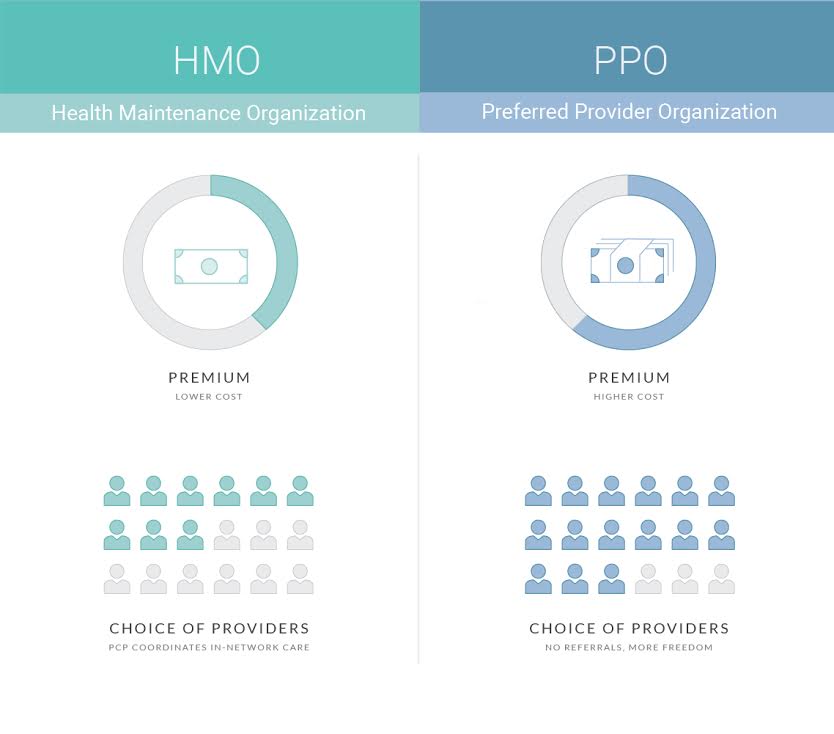
An HMO may be your best choice if you're looking for a strategy with a low premium. However, a PPO strategy provides extra versatility if you require more control over your health care. That's why looking into these strategies thoroughly, including their pros, cons, and typical costs, is the very best primary step you can take in the past deciding.

Latest Posts

Comparing HMO and PPO Health Insurance
Optimizing Medicare Part D Enrollment for 2026
Comparing PPO and HMO Insurance